Avoid damage disputes after an Elmstead removal
Posted on 10/06/2026
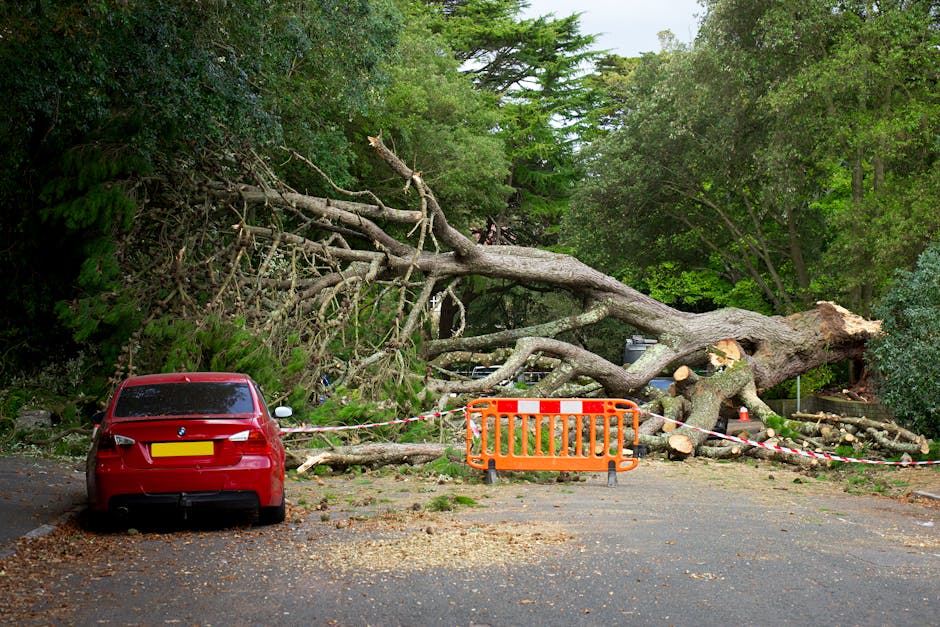
If you are planning a move in Elmstead, the last thing you want is a tense back-and-forth over a scratched table, a chipped mirror, or a box that somehow arrived with a crushed corner and a very bad attitude. To avoid damage disputes after an Elmstead removal, you need more than good intentions. You need clear records, sensible packing, honest communication, and a moving process that leaves little room for "he said, she said".
That might sound cautious, but it is really just smart. Most disputes are not caused by one dramatic accident. They build up through tiny gaps: no photos, no inventory, vague labels, rushed loading, unclear conditions, and assumptions on both sides. In this guide, you will learn how to protect your belongings, reduce friction with movers, and handle any issue calmly if something does go wrong. Let's make the whole thing less stressful, because moving day is busy enough already.
Why Avoid damage disputes after an Elmstead removal Matters
Damage disputes are rarely about the item alone. They affect trust, cost, timing, and, frankly, your stress levels. If a move ends with an argument over whether a dent happened before the van arrived or while the sofa was going down the stairs, everyone loses time. And if the property is rented, the issue can spill into end-of-tenancy checks, landlord conversations, or deposit deductions.
In Elmstead, where moves can involve narrow roads, tight parking, flats with awkward stairwells, or a quick turnaround between tenancies, clarity matters even more. A small scuff can be easily misunderstood if nobody documented the condition at the start. A broken drawer runner can become a disagreement instead of a simple claim. That is why a careful process is not overkill. It is the difference between a smooth handover and a drawn-out mess.
Truth be told, most reputable movers would rather prevent problems than argue about them afterwards. So would you. A well-managed removal protects the customer, the team, and the relationship between both sides. That is a good outcome all round.
It also helps when the move includes more delicate items. For example, sofas, pianos, mattresses, freezers, and boxed glassware need a different level of attention from everyday boxes of clothes. If you are handling anything valuable or awkward, relevant planning matters. You may find it useful to read about sofa storage and protection tips, professional piano relocation, and how to store a freezer properly if your move involves items that need extra care.
How Avoid damage disputes after an Elmstead removal Works
At its simplest, dispute prevention works by creating a shared record of condition and responsibility before, during, and after the move. Nothing glamorous. Just solid housekeeping, the kind that saves everyone headaches later.
Here is the basic flow:
- Pre-move inspection: You note the visible condition of items, furniture, floors, walls, and any awkward access points before anything gets lifted.
- Inventory and labelling: Boxes and furniture are identified clearly so each item can be tracked from one room to the next.
- Agreed handling notes: Fragile, heavy, or high-value items are flagged in advance. No guessing at the doorstep.
- Careful loading and protection: Blankets, straps, wraps, and correct lifting methods reduce the chance of damage during transit.
- Delivery check: On arrival, items are checked against the initial condition notes and inventory.
- Issue reporting: If something is damaged, it is reported quickly, clearly, and with evidence rather than emotion. Easier said than done, but very effective.
This process works best when both sides participate. The customer should not assume the mover can read minds. The mover should not assume a loose label is enough for a fragile item. Both sides benefit from clarity. Simple, really.
If you want broader moving advice that supports this process, a sensible starting point is packing with a method that reduces risk and decluttering before moving day. Less clutter usually means fewer rushed decisions, and fewer rushed decisions means fewer accidents. Funny how that works.
Key Benefits and Practical Advantages
When you take damage prevention seriously, the benefits go beyond protecting a cabinet or television. You create a cleaner moving experience from start to finish.
- Fewer disagreements: A clear paper trail or photo trail reduces room for uncertainty.
- Faster resolution: If damage is reported, both sides can assess it quickly.
- Lower stress: You are not left wondering whether an issue will become a larger problem later.
- Better packing habits: Careful prep usually improves the overall move, not just the claims process.
- Stronger trust: Good communication makes a mover look competent and organised, which is reassuring when your belongings are in a van behind you somewhere.
- More accurate expectations: Some items are naturally more vulnerable than others, and that should be understood before loading starts.
A practical advantage that people sometimes miss is this: when access is tricky, prevention planning can save the moving schedule itself. A narrow hallway, a top-floor flat, or a busy street outside Elmstead Woods Station can create pressure. If the crew knows in advance which items are awkward, they can bring the right equipment and avoid improvised handling. Improvisation is where little mishaps tend to live.
For heavier furniture, it also helps to read about safe heavy lifting strategies and moving beds and mattresses in an organised way. Those items often cause damage claims because they are awkward, bulky, and easy to catch on door frames if nobody is paying attention.
Who This Is For and When It Makes Sense
This approach is not only for big house moves. In practice, it is useful for almost anyone moving goods in or out of Elmstead.
- Homeowners: Especially if you are moving furniture, TVs, artwork, or family heirlooms.
- Tenants: Helpful for protecting deposits and reducing end-of-tenancy tension.
- Students: Useful if you are moving on a deadline and trying not to lose track of items in the rush.
- Flat movers: Stairwells and tight access points can turn a minor mistake into a visible mark very quickly.
- Office movers: Desks, monitors, filing units, and IT equipment need clear handling notes.
- Anyone using a man and van or removal service: If the move is time-sensitive, a clear process helps everyone keep pace.
It makes the most sense when the move includes a mix of heavy, fragile, and valuable items. It also makes sense if you know the property has awkward access, a shared entrance, or limited parking. To be fair, that covers plenty of moves around BR7.
If your situation is more last-minute, a same-day option may still be workable, but the documentation side becomes even more important because there is less time to fix confusion later. If that sounds like your day, see same-day removals in Elmstead for a better sense of what urgency planning can look like.
Step-by-Step Guidance
Here is a practical sequence you can follow before, during, and after the move. It is not fancy. It just works.
1) Photograph everything before the move
Take clear photos of furniture, appliances, mirrors, and any item that could become a point of disagreement. Include close-ups of existing scratches, dents, or wear. Do the same for doorways, floors, and walls if access is tight. A quick set of photos on your phone can save a lot of awkwardness later.
2) Create a simple inventory
You do not need a masterpiece spreadsheet unless that helps you sleep better. A written list with room names, item descriptions, and notes on fragility is usually enough. Numbering boxes is especially useful. It lets you check whether everything arrived without turning the day into a detective story.
3) Separate fragile and high-value items
Do not tuck jewellery boxes, important documents, small electronics, or sentimental pieces into random cartons. Keep them in a dedicated bag or carry box. If something is fragile, make that obvious. Fragile tape only helps if it is easy to see.
4) Communicate awkward access in advance
Stairs, low ceilings, restricted parking, or a narrow approach road should be mentioned early. If your property is on a street where van positioning is awkward, helpful route planning matters a lot. A local move note like this Elmstead Lane moving guide can be useful if your route has tight access or van placement issues.
5) Use suitable packing materials
Strong boxes, wrapping paper, bubble wrap, blankets, and tape all play their part. The point is not to overpack a box until it sounds like a brick. The point is to spread weight properly and cushion breakables.
6) Walk through the load-out plan with the crew
Before loading starts, identify what goes first, what needs lifting separately, and what should not be stacked beneath heavier goods. It is a short conversation that can prevent a long argument.
7) Check items at delivery before signing off
Do not rush this bit if you can help it. Open boxes that are marked fragile. Inspect obvious furniture corners. If anything looks off, note it calmly and immediately. Calm matters. A lot.
8) Report concerns in writing as soon as possible
If there is damage, the clearer the report, the better. Include what happened, what item was affected, when it was noticed, and photos if available. Keep the tone factual. You are building clarity, not a courtroom speech.
Expert Tips for Better Results
A few small habits can make a surprisingly big difference. In our experience, they are the difference between "that was fine" and "why did that go so smoothly?".
- Label by room and priority: For example, "kitchen - fragile", "bedroom - open first", or "study - electronics".
- Keep one bag for evidence: Store your move photos, inventory, and notes in one folder on your phone.
- Use colour coding where useful: It is not compulsory, but it can help when several rooms are being unloaded at once.
- Measure awkward furniture: Big items that barely fit through a door are exactly the ones that tend to get damaged if nobody checks the route first.
- Protect the property too: Floor runners, corner guards, and door protection help avoid blame for wall and floor marks.
- Ask about handling of special items: Pianos, sofas, freezers, and similar items deserve specific handling. The wrong lift is where trouble starts.
One more thing: if you are unsure whether an item should be dismantled, wrapped, or moved whole, ask before the lifting begins. That tiny pause can save a lot of pain. Literally, sometimes.
It also helps to understand the moving method you are using. For example, if you are comparing a full removal crew with a smaller van-based move, the level of protection and oversight may differ. You can explore the general approach on the man with a van Elmstead page, or look at the broader services overview to see how different move types are typically supported.

Common Mistakes to Avoid
This is where a lot of disputes begin. Not with malice. Just a few avoidable mistakes.
- Skipping the pre-move photos: Without them, old marks and new marks can get mixed up very easily.
- Using vague labels: "Kitchen stuff" is not enough when there are fragile glasses, pans, and a toaster in the same box.
- Underestimating access issues: A move that looks easy on paper can become tricky if a sofa needs to turn sharply on a landing.
- Overloading boxes: Heavy boxes split, fall, or crush lighter contents. Then everyone has a bad day.
- Not checking insurance position: Assuming all damage is covered in the same way is a classic mistake.
- Leaving concerns until later: If you notice an issue and say nothing until days later, the trail gets weaker.
- Assuming normal wear is damage: Sometimes an old scuff is just an old scuff. It helps to be fair about that.
One recurring problem is poor prep for furniture. If you are moving from a flat, packing up is one thing, but shifting large items through confined space is another. Reading about flat removals in Elmstead can help you think through access issues before the moving team even arrives.
For business moves, the same principle applies. If you are moving equipment or office furniture, think through the route and item handling before loading starts. A quick look at office removals in Elmstead can be useful context, even if your move is smaller than a full office relocation.
Tools, Resources and Recommendations
You do not need a warehouse of gear to protect your belongings. A few sensible tools go a long way.
| Tool or resource | What it helps with | Why it matters |
|---|---|---|
| Phone camera | Photo evidence before and after the move | Creates a time-stamped visual record of condition |
| Inventory sheet | Listing furniture and boxes | Makes missing items easier to spot |
| Strong tape and labels | Clear box identification | Reduces mix-ups and handling errors |
| Furniture blankets and wraps | Protecting corners and finishes | Helps reduce scratches and chips in transit |
| Room-by-room packing plan | Orderly loading and unloading | Minimises chaos on arrival |
On the planning side, a few website resources can help you make better decisions before moving day. If you are comparing what support you need, the removals Elmstead page and the removal services Elmstead page are useful places to understand the available options. If you are looking for furniture-specific handling, see furniture removals in Elmstead. And if storage is part of the handover, storage in Elmstead may be worth a look.
Also, if you are the sort of person who likes to understand how service levels and payments work before committing, it is sensible to review payment and security details and pricing and quotes guidance. Clear expectations usually prevent awkward surprises later.
Law, Compliance, Standards, or Best Practice
Damage disputes are not just about courtesy; they often touch insurance, terms, and ordinary UK consumer expectations. I will keep this plain and careful. The exact position depends on the contract, the item, the circumstances, and whether any damage was pre-existing or caused during the move.
Good practice usually includes:
- Written terms: Both sides should know what is and is not included.
- Reasonable care: Movers should handle items with appropriate care for the type of move.
- Accurate descriptions: Customers should describe items honestly, especially if they are fragile, heavy, or already damaged.
- Prompt reporting: Issues should be raised quickly while details are still fresh.
- Clear evidence: Photos, notes, and inventories matter more than memory alone.
Where a business publishes policies such as insurance and safety, health and safety policy, terms and conditions, and complaints procedure, those documents help set expectations. They do not remove the need for common sense, but they do make the process more transparent. That transparency is exactly what helps disputes stay small, if they appear at all.
If you are concerned about how information is handled, it can also be worth reviewing privacy policy details. It is not the most exciting pre-move task, granted, but it is part of good practice.
Options, Methods, or Comparison Table
There is more than one way to reduce damage disputes. The best option depends on how large, complex, or time-sensitive the move is.
| Method | Best for | Pros | Limitations |
|---|---|---|---|
| Basic self-managed move | Very small, low-value moves | Cheap, simple, flexible | Higher risk of poor packing and weak evidence |
| Man and van with careful customer prep | Smaller house, flat, or student moves | Good balance of cost and support | Needs good communication and organised packing |
| Full removal service | Larger homes, heavy furniture, more fragile items | More support with handling and planning | May cost more, but often reduces risk |
| Storage-first approach | Moves with timing gaps or access issues | Reduces pressure on moving day | Needs extra planning and coordination |
If you are deciding between approaches, do not just look at price. Ask yourself: how much handling does this item need, how tight is the access, and how much proof will I want if something goes wrong? Those three questions are usually more useful than a rushed estimate in your head.
For readers comparing move styles, man and van Elmstead may suit lighter moves, while house removals in Elmstead makes more sense for larger or more delicate household moves. If you are a student trying to keep things tidy and affordable, student removals in Elmstead can be the more practical route.

Case Study or Real-World Example
Here is a realistic example from an ordinary Elmstead move. Nothing dramatic, just the sort of situation that happens all the time.
A tenant moving from a first-floor flat had a dining table, a mattress, six boxes of books, a mirror, and a handful of kitchen items. The hallway was narrow, the stair turn was awkward, and there was a parked car making the loading area feel tighter than it should have. Before the move, the tenant took photos of the table legs, the mirror frame, and the existing marks on the corridor wall. The boxes were labelled by room and one box was marked "fragile, glass".
During loading, the mover wrapped the table legs and used extra care at the stair turn. The mirror was moved separately, not stacked under other items. On arrival, one box showed a crushed corner, but because the inventory and photos were clear, everyone could see it was the carton itself that had taken the hit rather than the contents. No row. No confusion. A quick note, a calm check, and the move carried on.
That is the ideal outcome, honestly. Not because nothing ever goes wrong, but because small problems stay small. Sometimes the difference is as simple as five minutes of prep and one folder of photos. Quite boring, in the best possible way.
For moves involving specific items, planning can be even more targeted. For example, a sofa should be protected and measured properly, a freezer should be handled in a way that avoids later issues, and a piano needs specialist care. Those are the kinds of items that reward patience.
Practical Checklist
Use this before moving day. If you can tick most of it off, you are already in much better shape.
- Photograph furniture, valuables, and any existing damage.
- Write a simple inventory of boxes and large items.
- Mark fragile boxes clearly on multiple sides.
- Tell the mover about stairs, parking, narrow access, or awkward turns.
- Measure large furniture against doorways and stair space.
- Pack heavy items in small boxes rather than overloading one carton.
- Keep documents, keys, and valuables separate from general boxes.
- Use blankets, wraps, and padding for corners and surfaces.
- Check items as soon as they are unloaded.
- Record any concern immediately and keep the tone factual.
- Review the mover's terms, safety notes, and complaints process in advance.
If you are using storage between homes, make sure you know what is going where and why. That extra stage can create confusion if labels are weak. A bit more care now saves a lot of wondering later.
Conclusion
Avoiding damage disputes after an Elmstead removal is mostly about being organised, honest, and just a little bit methodical. You do not need a perfect system. You need a clear one. Photos, labels, practical packing, upfront communication, and prompt checking all work together to prevent misunderstandings before they grow teeth.
In real life, the best moving days are not always the fastest ones. They are the ones where everyone knows what is being moved, what needs protecting, and what to do if something looks wrong. That calm, almost unremarkable process is what protects your belongings and your peace of mind.
If you are planning a move soon, take a few minutes now to get the evidence and paperwork sorted. Future-you will be very pleased. Probably with tea in hand, looking back at the whole thing and thinking, well, that could have been much worse.
Get a free quote today and see how much you can save.