Man with van in Elmstead

Need a man with van in Elmstead for furniture, boxes, single items or a fuller household move? We provide a practical removals service built around careful loading, sensible transport and straightforward handling of everyday moving work. The aim is simple: move your belongings from one place to another with as little disruption as possible, whether you are clearing one room or arranging a more involved move across the local area.
This type of service suits people who want more than a basic vehicle but do not need a large-scale removal crew. It can cover home moves, small office relocations, bulky item transport and collections that need a vehicle with room, lifting equipment and organised loading. If you are comparing options, our removals service is a useful place to see how different moving jobs can be handled within one flexible approach.
When you request a quotation, it helps to share what needs moving, how much there is and the access at both addresses. That allows the move to be planned around stairs, parking, loading distances and any awkward items that need extra care. For straightforward pricing information, you can also review pricing and quotes alongside the service details before you decide how best to proceed.
Home removals handled with care

Home removals are often about making a move feel orderly rather than rushed. A van-based removal service can be a good fit for flats, terraces, shared houses and smaller family homes where the volume is manageable but the items still need to be moved carefully. We can help with beds, wardrobes, tables, chairs, white goods and mixed household contents, taking a measured approach to loading so that pieces are arranged securely for transport.
For customers moving out of a property, the main decisions usually involve volume, access and timing. A compact move may only need one vehicle and a small crew, while a larger household may benefit from a staged load so the most important items travel first. If you are looking for a broader residential option, home moves explains the kind of move that sits between a single-item collection and a fully planned domestic relocation.
Good removals work also depends on the details that are easy to overlook. Narrow staircases, long carries from the van, items that must be dismantled and furniture that scratches easily all affect how the move is set up. Clear instructions and accurate item lists help reduce delays, while sensible packing protects fragile belongings during loading, road transport and unloading at the destination.
Furniture collection and single-item transport

Not every booking is a full move. Many customers only need a sofa moved from a shop, a bed collected from a private seller or a dining set taken from one address to another. A man and van arrangement is often well suited to these jobs because it can give you transport and lifting help without the scale of a large removals operation. For this kind of work, furniture pick-up is a practical page to review alongside the main van service.
Single-item transport still benefits from the same care as a larger move. Bulky pieces need to be protected from knocks, and awkward shapes need to be planned into the load so they can be secured properly. Mattresses, wardrobes, shelving, exercise equipment and appliances may each need a slightly different loading method, especially where weight, balance or surface protection is important. A careful mover will think about that before the van sets off.
If the item is especially heavy, difficult to carry or vulnerable to damage, it is worth mentioning that early. That may affect the number of people needed, the order in which items are loaded and the best time to arrange the job. A clear description of the object and the access at collection and delivery helps keep the service efficient and avoids last-minute uncertainty for everyone involved.
Office relocation services for smaller business moves

Small office moves need a service that is organised without being overcomplicated. Desks, chairs, filing cabinets, monitors, archive boxes and compact storage units can usually be moved with less disruption when the work is scheduled around access and building rules. If your business needs help shifting equipment or furniture between premises, office relocation services give a clearer sense of how business move work can be approached.
For commercial customers, the main concern is often keeping the move controlled. That means understanding what must be moved first, what can be packed separately and whether any items need dismantling before loading. It can also mean planning around lifts, reception areas and delivery slots. A smaller van-based move is useful where a business wants flexibility and does not need a full-scale office removals team.
Office items are often a mix of ordinary furniture and equipment that needs careful handling. Screens, printers and boxed paperwork should be packed so they remain stable in transit, while heavier items such as cabinets or pedestals may need extra attention at the lift point. Where sensitive information is involved, the customer can decide how documents are boxed, labelled and separated before collection.
What can be moved on a van-based service
A flexible van service can cover a wide range of moving tasks, but the job still needs to suit the vehicle and the access available. Typical work may include house contents, furniture collections, office equipment, student possessions and mixed loads that do not justify a much larger removals operation. The key is matching the job size to the right transport so the load can be carried securely and efficiently.
Common examples include wardrobes, beds, sofas, tables, chairs, boxes, small appliances and packed personal items. Some jobs are simple point-to-point moves, while others involve several stops, such as collecting furniture from one address and delivering it to another. When the contents are varied, the loading order matters, because sturdy items should support the load and fragile items should be kept where they will not be crushed.
For customers who need a wider view of moving options, removal services can be a helpful page to compare with a man and van booking. It sits naturally beside the more specific pages for domestic and commercial work, and it can help you decide whether the job is best treated as a general removal, a home move or a specialist collection.
Planning the move around access and loading
Most moving jobs become easier when the access details are clear before the van arrives. That includes steps, lifts, parking restrictions, distance from the property to the vehicle and whether the items need to be carried through shared hallways. These practical details can change how the move is scheduled, how long loading takes and whether extra help is useful for the heaviest pieces.
Useful information to provide usually includes the collection and delivery postcodes, a short list of the largest items, any dismantling required and whether there are fragile or valuable items to protect. If you are unsure how much detail to include, a room-by-room summary is often enough to begin. That makes it easier to plan vehicle space and decide whether the job fits well within a van-based removal.
You do not need to overcomplicate the enquiry. A concise description of the move can be enough to get things started, especially if the job is only a few items. If you have a date in mind, mention it, but keep the rest focused on what is being moved and the conditions at each end. Contact us when you are ready to discuss the details and ask for a quotation.
About Elmstead
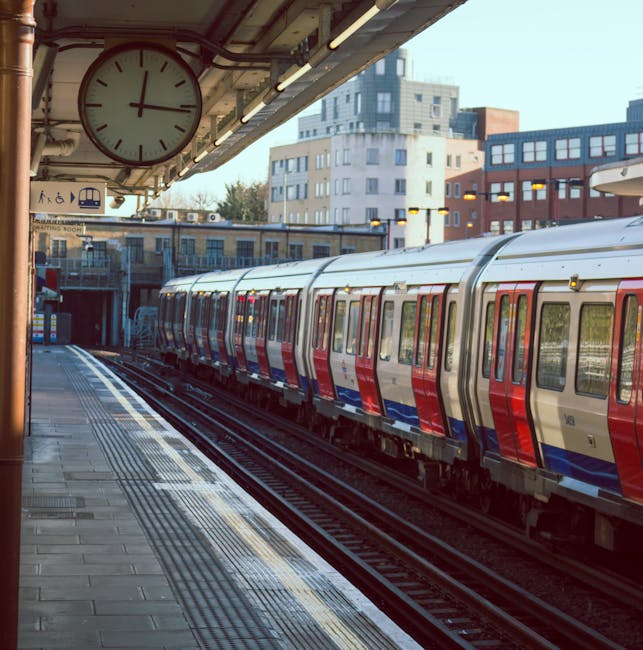
Elmstead is a settlement in north-east London historically associated with the former parish of Elmstead, now part of the London Borough of Bromley. The name survives in Elmstead Woods, a residential area and railway station, and in nearby local features that reflect the older landscape of the district. Like much of outer south-east London, the area has been shaped by a gradual shift from rural settlement and farmland to suburban housing, rail links and local services. The station on the Chatham Main Line, now called Elmstead Woods, opened in the nineteenth century and helped connect the area more closely with the capital. The surrounding streets include a mix of late Victorian, Edwardian and interwar housing, which gives the district a layered built character rather than a single uniform style. Tree-lined roads and modest commercial parades contribute to a quieter suburban feel, while nearby green spaces and rail corridors link it to wider Bromley and the edge of Kent. The old parish identity remains important in local history, even though modern administration places the area firmly within Greater London. That combination of historical name, suburban development and transport access makes Elmstead a recognisable part of the borough’s varied residential landscape.
Packing, protection and careful handling
Packing is often what separates a smooth move from a stressful one. Boxes should be closed properly, breakables should be cushioned and loose items should be kept together so they do not shift during transit. A van-based removals service can work well when the packing is sensible, because items can be loaded in a stable order and kept secure while travelling between addresses. If you are considering help with wrapping and boxing, packing and unpacking services may sit naturally alongside the main move.
Some items benefit from special handling even if the overall job is straightforward. Mirrors, glass tables, framed pictures and electronics need padding and secure placement, while soft furnishings may need protection from dirt and scuffs. Where an item can be dismantled, it may travel more safely in separate parts, provided the fittings and fixings are kept together and labelled. Thoughtful preparation often saves time when the van is being unloaded at the other end.
Good handling is not only about protection; it also supports efficient unloading. When similar items are grouped and clearly marked, they can be placed in the right room more quickly and with less moving around once they arrive. That matters on both domestic and commercial jobs, because it reduces the chance of heavy items being shifted more than once and helps the whole move stay organised from start to finish.
Commercial removals and flexible business transport
Businesses often need transport for more than office furniture alone. A man with van service can also support shop fixtures, archived stock, marketing materials, furniture between branches and one-off deliveries that sit outside ordinary courier work. For a fuller view of that type of job, commercial moves is a useful page where the moving requirements are set out in a more business-focused way.
Commercial work is usually about practicality and timing. The task may involve moving a small work unit, clearing out a storeroom, shifting spare desks or delivering items to another premises without holding up the working day. The load plan needs to suit the type of goods, the available access and the amount of handling required. Even a modest business move benefits from the same careful approach as a domestic one.
For larger commercial jobs, it helps to separate items by destination or function before loading begins. Equipment going to a new office, stock going to storage and surplus furniture heading elsewhere should not be mixed if it can be avoided. That makes unloading more precise and gives you a better sense of what has moved where. It also helps when the move has to be completed in stages rather than in a single journey.
Using the right vehicle for the job
Choosing the right size of vehicle is central to keeping a move efficient. Too little space can mean multiple journeys, while too much vehicle for a small job may add unnecessary cost. A van-based removals service sits in the middle and is often suitable when the load is too substantial for a car but does not require a large lorry. That balance is what makes it useful for many local moves.
For customers comparing different ways to move, it can help to think about space, weight and shape rather than item count alone. A few large pieces may need more room than a larger number of boxes, especially if the items are long, awkward or fragile. The load should be arranged so that heavier objects form a stable base, lighter items fill the gaps and nothing is left loose enough to shift during transport.
Where the move is simple and the contents are already packed, the job can often be completed in a straightforward way. Where the load is mixed, the route may need more planning, especially if there are several collection points or a tight delivery window. Either way, the right van and a clear approach to loading usually make the whole process more manageable.
Quotation details and practical next steps

When asking for a quotation, think in terms of the move as a whole rather than only the number of items. The best estimate usually comes from a clear picture of the collection and delivery points, the type of contents and any access restrictions. A move involving stairs, long walking distances or especially heavy furniture may need a different plan from one with simple ground-floor access. Those details shape the work more than a short item count on its own.
A useful enquiry usually includes the preferred date, the addresses involved, the main items to be moved and whether you need help with loading, unloading or both. If you are comparing residential and business options, you can look at house removals for domestic work or revisit the commercial pages for office and business moves. That can help you choose the right service level before you ask for a price.
For the simplest next step, send the essentials and ask for a quotation that reflects the actual job rather than a generic moving estimate. If you are ready to talk through the move, get in touch and share the details so the service can be matched to the load, the access and the journey. A clear enquiry makes it easier to arrange a practical man with van booking in Elmstead.