End-of-tenancy removals on Elmstead High Street
Posted on 06/05/2026
End-of-tenancy removals on Elmstead High Street: a practical local guide
Moving out is rarely just about carrying boxes from one place to another. With End-of-tenancy removals on Elmstead High Street, you are usually working to a deadline, a cleaning standard, a deposit return, and the small reality of a street that can be busy, narrow, and a bit unforgiving at peak times. That combination can feel like a lot, especially if you are juggling handover keys, broadband cut-off times, and a final sweep through cupboards you forgot existed.
Truth be told, end-of-tenancy moves are where careful planning pays off most. The right approach can save stress, reduce the risk of damage, and make the flat, maisonette, or house ready for inspection without the last-minute panic. This guide explains how the process works, what to expect, where the common snags appear, and how to make sensible choices around packing, lifting, cleaning, storage, and timing. It is written for real moves, not perfect ones.
If you want a broader picture of local moving support, you may also find our Elmstead removals service overview useful, along with our pages on flat removals in Elmstead and man and van services in Elmstead.
Why End-of-tenancy removals on Elmstead High Street matters
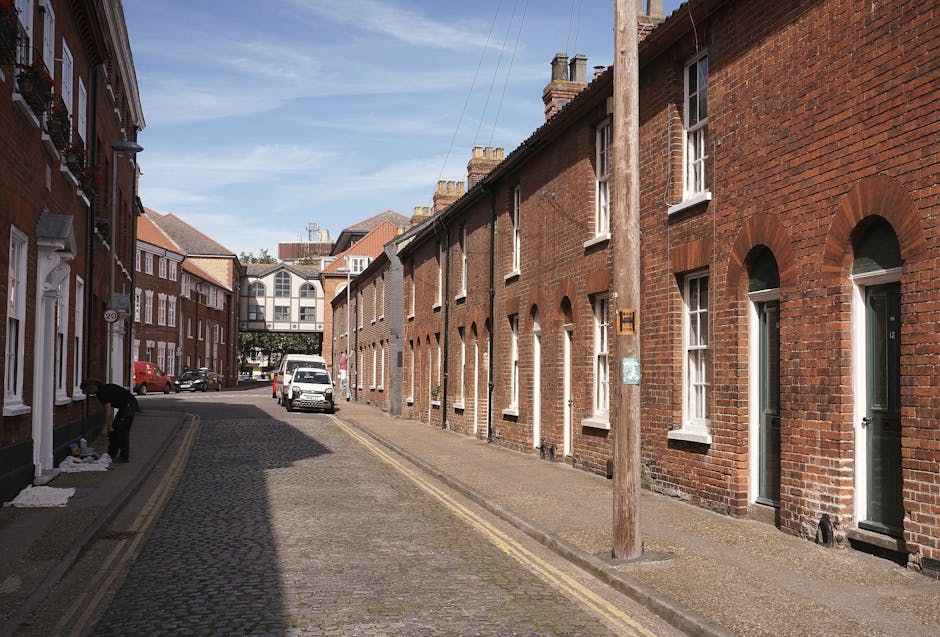
End-of-tenancy moves sit in a slightly awkward space. You are no longer settling in, but you are not fully done until the property is cleared, cleaned, and handed back in a condition that matches the tenancy agreement. On a busy local road like Elmstead High Street, timing matters too. Parking, access, and load-in/load-out windows can all shape how smooth the day feels.
For tenants, the biggest concern is often the deposit. For landlords or letting agents, it is minimising delay between tenancies. For anyone moving out of a second-floor flat with a tight stairwell, the concern is usually simpler: how do you get a bed, a sofa, and half a lifetime of stuff out without banging the walls? That is where a well-planned end-of-tenancy removal service earns its keep.
There is also a practical local angle. High streets tend to mean busier mornings, more foot traffic, and less room for a vehicle to sit around while you decide whether the lamp is going in the van or the car boot. A tidy, efficient move reduces disruption for neighbours and helps you avoid those awkward few minutes where everyone is waiting on the pavement. Not ideal.
Used properly, an end-of-tenancy removal is not just transport. It is a structured handover process: clearing possessions, protecting the property, helping with heavy items, and making the move-out day feel controlled rather than chaotic.
How End-of-tenancy removals on Elmstead High Street works
Most end-of-tenancy removals follow a fairly simple pattern, though the details change depending on property size, access, and how much packing is already done. The job normally starts with an assessment of what needs moving, what needs dismantling, and whether anything needs temporary storage or special handling.
A good mover will usually look at:
- the number and type of rooms being cleared
- large or awkward items such as beds, wardrobes, sofas, and appliances
- floor level and stair access
- parking or loading restrictions near Elmstead High Street
- whether cleaning, disposal, or storage is also needed
- the move-out deadline and key handover time
If you are moving from a flat, the process can be quite different from a house move. Narrow communal hallways, shared entrances, and lift use can slow things down. For that reason, our house removals in Elmstead and flat removals in Elmstead pages are helpful if you are comparing access and timing needs.
In practical terms, the day often looks like this:
- Walkthrough and confirmation of the items to move.
- Protection of furniture and vulnerable surfaces.
- Dismantling larger furniture where needed.
- Loading in a sensible order, with fragile items secured first.
- Transport to the new address, storage unit, or another destination.
- Final sweep of the property to ensure nothing is left behind.
Some moves also involve collecting boxes from a local storage unit, dropping items at a relative's address, or making use of storage in Elmstead if the dates between tenancies do not line up neatly. And let's face it, they often don't.
Key benefits and practical advantages
The main benefit of a well-run end-of-tenancy removal is simple: less stress. But there are several more specific advantages that are easy to overlook when you are focused on the deadline.
- Better chance of a smooth deposit return: fewer scratches, fewer breakages, and less rushed handling of furniture means fewer avoidable disputes.
- More efficient final cleaning: once bulky items are removed, the property is easier to clean properly. A hidden skirting board does not stay hidden for long.
- Reduced physical strain: carrying a mattress down stairs at 7am is nobody's idea of fun. Professional help protects your back and your walls.
- Clearer move-out timing: you can organise key handover, cleaners, and van arrival without everything colliding.
- Better handling of special items: pianos, freezers, sofas, and other bulky goods are easier to manage with experience and the right equipment.
There is also a mental benefit, which people underestimate. Once the van is loaded and the rooms are empty, the move suddenly becomes real. That can be oddly relieving. A clean reset, almost.
For people trying to streamline the packing side too, our guide on packing a house move with less hassle offers practical techniques you can apply before moving day.
Who this is for and when it makes sense
End-of-tenancy removals are not only for large family homes. In fact, they are often most useful for smaller, more time-sensitive moves where the margin for error is thin.
This service makes sense if you are:
- leaving a rented flat or house and need everything cleared on a fixed date
- moving from Elmstead High Street to another part of London or beyond
- handing over a property with bulky furniture that is awkward to move alone
- splitting the move between a new home and storage
- dealing with limited parking, stairs, or narrow access
- trying to move out quickly while still keeping the property in good condition
Students, flat sharers, and people moving between short-term lets often benefit the most, because timing is usually tight and the volume of items can still be surprisingly large. You pack a few bags, then somehow discover two bookcases, a desk, a bike, and a freezer drawer full of mystery peas. Happens all the time.
If your move involves a smaller load rather than a full household, a man with a van in Elmstead may be enough. If the move is more urgent, same-day removals in Elmstead can sometimes help when the dates have become, frankly, a bit of a mess.
Step-by-step guidance
A good end-of-tenancy move is mostly about sequencing. Get the order right and the day feels manageable. Get it wrong and suddenly you are hunting for keys, box tape, and a kettle lead while the van is already outside. Here is the practical route.
1. Confirm the move-out requirements early
Check your tenancy agreement, agent instructions, and key return time. You want to know whether you need the property empty by morning, midday, or the end of the day. That one detail affects everything else.
2. Declutter before you pack
Do not move things you do not want. It sounds obvious, but there is a reason people say moving makes you realise how much you own. Sort into keep, donate, recycle, sell, and dispose. A structured reset now saves effort later. Our decluttering guide for a stress-free move is useful if you are trying to get disciplined about this part.
3. Pack room by room
Keep items from each room together, label boxes clearly, and make sure anything for immediate use is separate. A box labelled "kitchen" should not secretly contain extension leads and your passport. It happens. More than you'd think.
4. Prepare large furniture and appliances
Dismantle beds, remove drawers where sensible, and disconnect appliances properly. If you have a freezer that will be going into storage or being moved later, our article on storing a freezer when not in service is worth a look. For beds and mattresses, the bed and mattress moving guide can save you a few headaches.
5. Protect the property during exit
Use blankets, corner protection, and sensible lifting methods to avoid marks on walls and doorframes. A small nick on a painted corner can become an unnecessary discussion later, which nobody enjoys. Not even slightly.
6. Load in the right order
Heavy items should go in first, with fragile or frequently needed items placed where they can be reached. Good loading is not glamorous, but it is one of the biggest factors in how safe and efficient the move feels.
7. Clean and check every room
Before leaving, check cupboards, lofts, under beds, behind radiators, and inside appliances. End-of-tenancy clean-up is often where small oversights happen. Our essential cleaning tips for moving out can help you avoid the usual missed spots.
8. Take photos and hand over properly
Once the rooms are empty, take clear photos for your records. Then hand over keys as agreed. A neat closure is worth a lot. It removes uncertainty.
Expert tips for better results
Small decisions make a big difference in end-of-tenancy removals. In our experience, the moves that feel calm usually have the same traits: early planning, clear labelling, and no heroic last-minute lifting attempts.
- Book the van before the final week: especially if your move date falls near a weekend or month-end.
- Use a simple room code system: for example, K1, K2 for kitchen boxes, B1, B2 for bedroom boxes. Fast to sort, easy to read.
- Separate essentials immediately: kettle, charger, medication, documents, toiletries, and one change of clothes should never disappear into the van maze.
- Think ahead about parking: if access on Elmstead High Street is tight, discuss the loading point in advance. That one phone call can save twenty minutes of awkward repositioning.
- Keep a dismantling kit ready: Allen keys, screwdriver, zip bags for bolts, tape, and labels should be together in one place.
- Use proper lifting technique: bend your knees, keep the load close, and avoid twisting. If something feels too awkward, it probably is.
For genuinely heavy or awkward items, the safest move is usually to ask for help. Our guide to heavy lifting strategies explains why technique matters, while our lifting and handling article gives a useful sense of how experienced movers approach the work.
If you are moving valuable or unusually delicate pieces, such as a piano, it is worth using a specialist. The process is different enough to deserve its own planning, and our page on piano removals in Elmstead and related piano relocation guidance cover that in more detail.

Common mistakes to avoid
The same issues come up again and again. None of them are dramatic on their own, but together they can turn a simple move into a long day with a sore back and a few regrettable decisions.
- Leaving packing until the final evening: rushed packing leads to breakages, mixed-up boxes, and missing essentials.
- Underestimating bulky furniture: the sofa that seemed manageable suddenly becomes a problem at the stair turn.
- Forgetting to defrost or disconnect appliances: especially freezers, which need time and care.
- Not checking access details: low branches, parking restrictions, narrow entries, and awkward corners can all matter.
- Ignoring cleaning until after loading: by then, you may have no energy left, and the property may still need a proper finish.
- Assuming storage will be a last-minute fix: if there is a gap between tenancies, book space early enough to avoid a scramble.
A surprisingly common one? People keep one "miscellaneous" box, then cannot find the kettle, the phone charger, or the tenancy paperwork. One box is never really just one box. It becomes a black hole.
If your move involves shifting a sofa or freeing up space before handover, take a look at sofa storage and preservation tips. It is a small thing, but a good one.
Tools, resources and recommendations
You do not need a warehouse full of equipment to move well, but a few good tools can make the process much smoother. The aim is not to buy everything; the aim is to avoid the classic improvised disaster, like moving a wardrobe with one towel and blind optimism.
| Tool or resource | Why it helps | Best used for |
|---|---|---|
| Strong boxes and tape | Protects contents and keeps packing organised | General household packing |
| Furniture blankets | Reduces scuffs on doors, walls, and furniture | Sofas, tables, wardrobes |
| Ratchet straps and van ties | Keeps heavy items stable in transit | Appliances and large furniture |
| Labels and marker pens | Makes unpacking faster and less chaotic | Every box, ideally |
| Dismantling kit | Helps with beds, shelving, and flat-pack furniture | Final furniture prep |
| Storage access | Useful if move-out and move-in dates do not align | Temporary overflow |
For supplies, a dedicated packing service can save a lot of time. Our packing and boxes page is a sensible starting point if you want the materials and the practical support handled together.
On the service side, many people compare removal services in Elmstead against a more flexible removal van option. That is usually a question of volume, access, and how much hands-on help you need.
Law, compliance, standards and best practice
End-of-tenancy removals are practical jobs, but they still sit within a wider framework of responsibility. The exact legal obligations vary depending on the tenancy agreement, the property, and the service being provided, so it is sensible to read all instructions carefully and keep records of what was agreed.
From a tenant's point of view, the main compliance concerns are usually straightforward:
- returning the property in the agreed condition
- removing all belongings on time
- avoiding damage to the property or communal areas
- following access and key return instructions
From a removals provider's point of view, best practice generally includes safe lifting, appropriate vehicle loading, clear communication, and respect for building access. If you are comparing providers, it is sensible to ask about insurance and safety arrangements, and also review the company's health and safety policy.
Some moves also involve furniture disposal, recycling, or donation. If so, responsible handling matters. The local move should ideally be efficient and considerate, not just fast. Our recycling and sustainability information is worth reading if you want to reduce waste as part of the move.
And yes, the boring documents matter too. If you are booking a provider, the pages on pricing and quotes, terms and conditions, privacy policy, and payment and security are the sort of practical pages people often skip until the last minute. Better not to.
Options, methods and comparison table
There is more than one way to handle an end-of-tenancy move. The right choice depends on budget, time, access, and how much heavy lifting you want to do yourself. Here is a simple comparison.
| Option | Best for | Strengths | Trade-offs |
|---|---|---|---|
| DIY with a hired van | Small loads and confident packers | Flexible, potentially lower cost | You handle all loading, driving, and timing |
| Man and van | Medium loads and local moves | Good balance of help and flexibility | May not suit very large or complex moves |
| Full removals service | Full property clearance or larger homes | More support, less physical strain | Usually more expensive than self-managed options |
| Removal plus storage | Gaps between tenancies or delayed access | Reduces pressure when dates do not align | Needs planning, and storage duration can add cost |
For some renters, the sweet spot is a local man-and-van arrangement with careful packing help. For others, especially those moving from a multi-room flat with awkward furniture, a fuller service is simply the calmer option. There is no prize for making it harder than it needs to be.
If you are still weighing your options, the broader services overview and Elmstead removal companies page can help you compare approaches without guessing.
Case study or real-world example
Consider a common Elmstead High Street scenario: a tenant in a first-floor flat has a move-out deadline on a Friday morning, with key handover due by noon. The property includes a bed frame, mattress, two bookcases, a desk, a sofa, kitchen boxes, and a freezer that will go into temporary storage because the new place is not ready yet.
The move works best when it is split into stages. The tenant packs non-essential items earlier in the week, labels the boxes by room, and sets aside essentials for the final night. The bed is dismantled the evening before, the freezer is defrosted in time, and the sofa is wrapped to protect the fabric. On moving day, the van arrives early enough to avoid a rush, the heavier items go first, and the final sweep catches small things that would otherwise be forgotten: charging cables, a mirror, and a spare set of keys at the back of a kitchen drawer.
What made the difference was not luck. It was timing, preparation, and accepting that a move-out day should be organised like a working schedule rather than a loose arrangement. A simple plan, really. But it changes everything.
If this sounds familiar, the supporting articles on relocating without the stress and packing efficiently for a house move can help you replicate the same calm process.
Practical checklist
Use this as a final pre-move check. It is simple, but that is kind of the point.
- Confirm the move-out date and key handover time
- Book the vehicle or removals team in advance
- Check parking and access on Elmstead High Street
- Sort items into keep, donate, recycle, and discard
- Pack room by room and label every box clearly
- Set aside essentials for the first 24 hours
- Dismantle furniture and keep fixings in labelled bags
- Defrost, drain, and disconnect appliances where needed
- Protect floors, walls, doors, and furniture edges
- Take photos once the property is empty
- Clean final surfaces, cupboards, and hidden corners
- Return keys and keep confirmation of handover
Practical summary: if you plan early, reduce clutter, protect the property, and choose the right level of help, end-of-tenancy removals become much simpler. The move feels shorter. The day feels lighter. And, perhaps most importantly, you give yourself a proper chance of leaving on good terms.
Conclusion
End-of-tenancy removals on Elmstead High Street are about more than shift-and-carry logistics. They sit at the point where moving, cleaning, timing, and property care all meet. If you handle that final stretch thoughtfully, you reduce stress, protect your belongings, and make the handover far easier for everyone involved.
The strongest results usually come from a simple formula: clear planning, honest timing, sensible packing, and the right support for awkward furniture or urgent deadlines. Whether you need a full household move, a compact man-and-van job, or storage between tenancies, it pays to choose the path that makes the day calmer rather than simply cheaper on paper.
Get a free quote today and see how much you can save.
And if you are standing in a half-packed room right now wondering where to start, start small. One box. One room. One decision at a time. That is usually how a good move begins.